




Read our 2025 annual report


Knowledge Hub
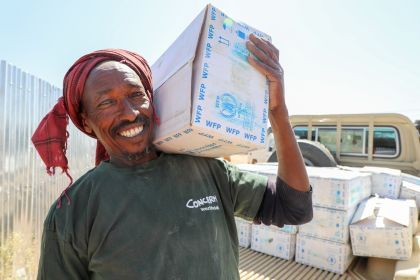
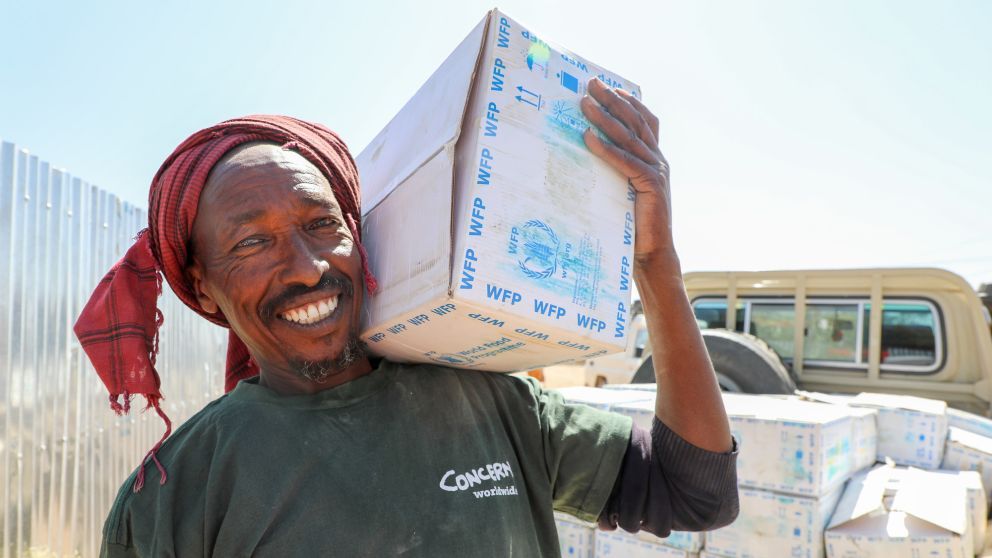
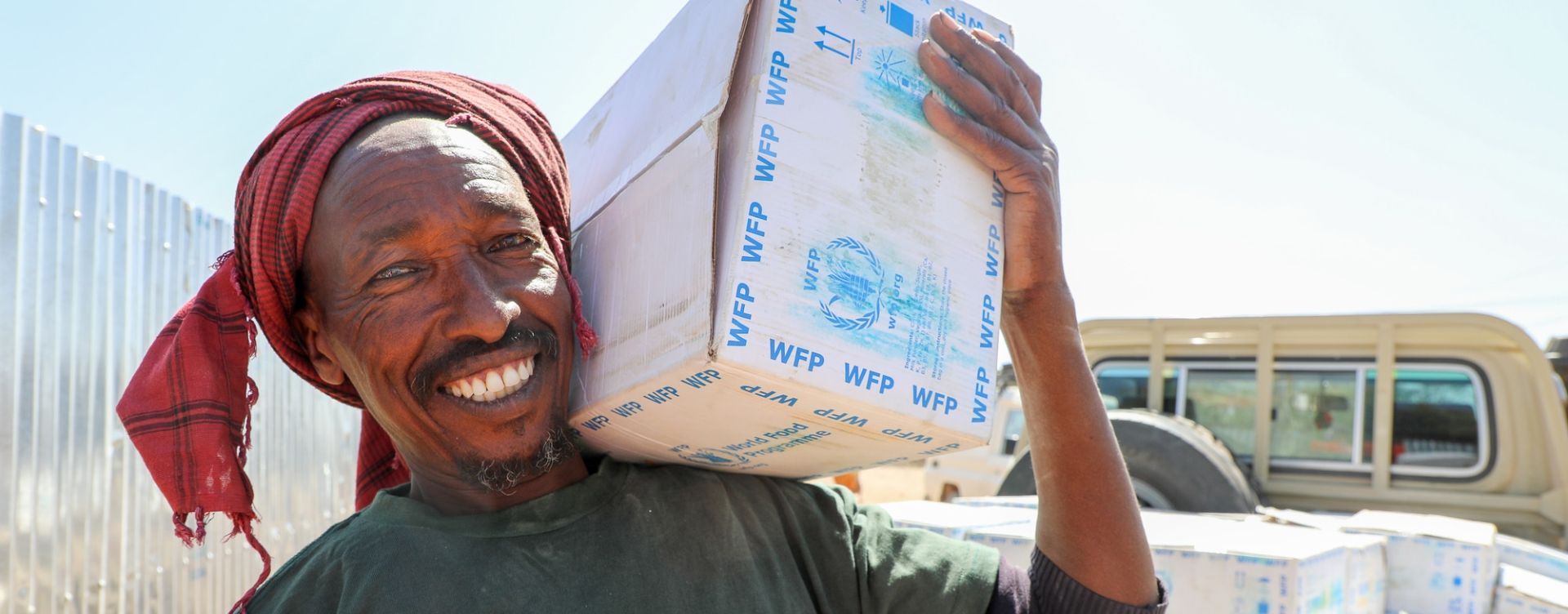
We use standard supply chain management procedures for the distribution of all goods and services to support our work.
We try to innovate, collaborate and share resources with partner organisations to maintain supply chains that are efficient and economical. The sourcing of material, aid, and goods is carried out following standard processes that are as fair and transparent as possible.
Concern has established procurement policies and a code of conduct that its suppliers must adhere to at all times. Contracted suppliers have an obligation to accept our purchasing terms and conditions.
Codes and policies
Please click the button below to find all of Concern's Codes and Policy documents
Current tender opportunities
CONCERN SOMALIA: INVITATION TO TENDER: THE PROVISION OF AIRLINE TICKETING, CARGO DELIVERY AND CLEARANCE AND FORWARDS SERVICES FOR CONCERN SOMALIA PROGRAMME.
Concern Worldwide Somalia programme regularly requires the provision of airline tickets and cargo delivery services to support programme implementation, staff travel, emergency response activities, and movement of supplies within Somalia and internationally. For more information, please see the attached tender dossier further below.
- Tender Reference: FWA/CONCERN/SOM/001/Oct/2026/AIRLINES
- Deadline Date: Tuesday 20th October 2026 by 11:59 PM EAT (midnight).
NB: 5% withholding tax will be deducted from the sales quotes.
CONCERN AFGHANISTAN: Invitation to Tender for the supply of Ready–to–Use Supplementary Food (RUSF) and Lipid-Based-Nutrient-Supplement (LNS)
Concern Worldwide Afghanistan with funding from PRO & PF invites interested eligible bidders to participate in the procurement process for the supply of Ready–to–Use Supplementary Food (RUSF) and Lipid-Based-Nutrient-Supplement (LNS) with a delivery CIP Kabul. The Tender dossiers should be requested by sending an email to afghanistan.tender@concern.net with the following reference in subject 2026-005 SRN AFG-TQN-08-26-614 & 615. Please see Tender Advert further below for more details.
- Tender Reference: 2026-005 SRN AFG-TQN-08-26-614 & 615.
- Deadline Date: Tuesday 27th October 2026 by 11:59 PM midnight, (Afghanistan time)
CONCERN SOMALIA: INVITATION TO TENDER FOR PROVISION OF SCHOOL FEEDING PROGRAMME
Concern Worldwide Somalia programme requires the provision of School Feeding Programme To 3,575 Children for Nine (9) Target Schools in Galkayo - Mudug Region Galmudug State, Under Education Cannot Wait (ECW) Multi-Year Resilience Programme (MYRP) II. For more information, please see the attached tender notice below.
- Tender Reference: CONCERN/SOM/SR100299/OCTOBER/2026/WET FOOD
- Deadline Date: Tuesday 30th October 2026 by 11:59 PM EAT (midnight).
NB: 5% withholding tax will be deducted from the sales quotes.
Our impact in 2025

people reached through our emergency response

people reached through our health interventions

people reached through our livelihoods programmes

Other ways to help

Corporate support
Is your company interested in working together for a common cause?

Fundraise for Concern
From mountain trekking to marathon running, cake sales to table quizzes, there are lots of ways you can support our work.

Buy a gift
With an extensive range of alternative gifts, we have something to suit everybody.

Leave a gift in your will
Leave the world a better place with a life-changing legacy.

Volunteer with Concern
The lots of ways to get involved with our work as a volunteer

School fundraising
Without the generous support from schools, we wouldn't be able to do the work that we do.